Travis County, Texas has long been recognized for its strong creative identity, but in recent years the area has experienced an even greater influx of artists relocating from other parts of the country. Drawn by the region’s cultural reputation, expanding population, live music scene, and entrepreneurial atmosphere, painters, sculptors, photographers, designers, and mixed-media artists have increasingly chosen to settle in communities throughout the county. This movement of creative professionals is gradually influencing local gallery culture in ways that extend beyond simply adding more artwork to exhibition spaces. As artists bring new perspectives, techniques, and artistic backgrounds into the region, galleries and creative venues are adapting to a broader range of styles, audiences, and cultural influences than ever before.
New Artists Introduce Different Artistic Perspectives
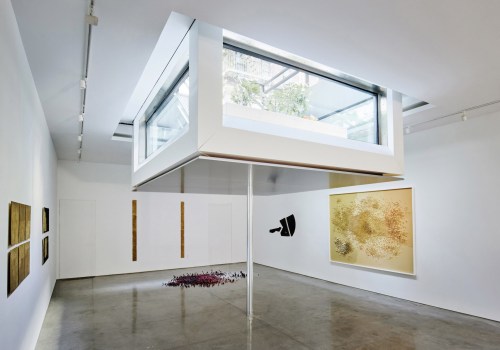
Artists relocating to Travis County often arrive from cities with established creative communities such as Los Angeles, New York, Chicago, Seattle, and other major cultural centers. These artists bring different artistic traditions, exhibition experiences, and professional networks that contribute to a more diverse local art environment. As a result, galleries throughout the county are increasingly showcasing a wider variety of contemporary styles, experimental installations, multimedia exhibits, and cross-disciplinary collaborations. The local gallery scene has gradually expanded beyond traditional regional themes to include more nationally influenced creative approaches while still maintaining strong Texas cultural roots.
Gallery Spaces Are Becoming More Flexible
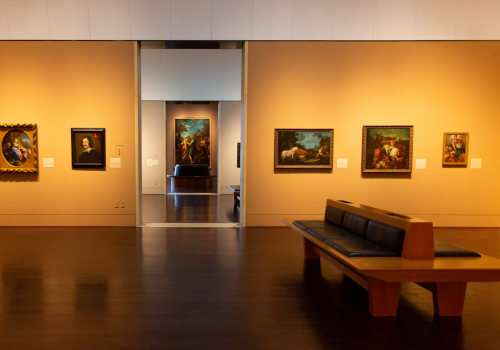
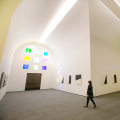
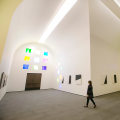
The arrival of new artists has also influenced how gallery spaces operate within Travis County. Many galleries are becoming more flexible and community-oriented by hosting pop-up exhibits, collaborative installations, live performance art, and mixed-use creative events. Some spaces now function not only as exhibition venues but also as studios, event locations, educational spaces, and social gathering areas for the broader creative community. Artists relocating into the area often seek environments that encourage experimentation and collaboration, prompting galleries to adapt their programming and presentation styles to support evolving creative trends.
Population Growth Supports Expanding Art Audiences
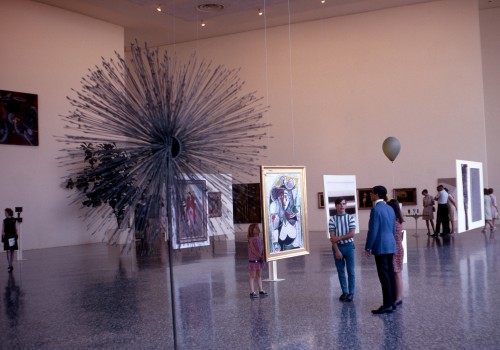
The rapid population growth occurring throughout Travis County has contributed to increased demand for cultural experiences and local creative engagement. As more residents move into the region, galleries benefit from larger audiences interested in art walks, exhibitions, cultural festivals, and local artist showcases. Incoming residents frequently arrive with different artistic interests and collecting habits that help diversify the local market for visual arts. Companies such as Mountain Movers are part of the broader relocation activity contributing to the population growth that continues reshaping creative industries and cultural communities throughout Central Texas.
Affordable Creative Opportunities Attract Artists
Compared to some major coastal art markets, parts of Travis County still offer relatively accessible opportunities for emerging and mid-career artists seeking studio space and professional exposure. While housing and commercial costs have increased in recent years, many artists continue relocating to the region because of the balance between creative opportunity and community support. Shared studio environments, local art markets, independent galleries, and collaborative creative spaces provide artists with opportunities to build professional networks while contributing to the county’s evolving cultural identity.
Local Art Communities Are Becoming More Collaborative
As more artists relocate to the area, collaboration within the local creative community has become increasingly visible. Artists from different backgrounds and disciplines frequently participate in joint exhibitions, public art projects, workshops, and multidisciplinary events that blend visual art with music, film, technology, or performance. This collaborative environment has helped expand the role galleries play within the broader cultural landscape of Travis County. Rather than serving only as quiet exhibition spaces, many galleries now function as active community hubs where artists and audiences interact more directly.
Relocation Trends Continue Shaping Gallery Culture
The ongoing movement of artists into Travis County is likely to continue influencing gallery culture for years to come. As creative professionals settle into the region, they bring fresh artistic perspectives that contribute to the evolution of local exhibitions, public art initiatives, and community engagement. Galleries are adapting to these changes by expanding programming, supporting experimental work, and creating more inclusive creative spaces for diverse audiences and artistic voices. The result is a cultural environment that continues growing more dynamic as relocation trends reshape the artistic identity of the region.